Mar 2, 2026
Building Conversions & Sustainability: How Adaptive Reuse Is Reshaping Design + Build
What if the most sustainable building is the one that already exists?
Across the U.S., building conversions, also known as adaptive reuse, are rising in popularity. From office-to-residential conversion projects to hotel and warehouse transformations, developers, construction teams, interior designers, and real estate investors are increasingly turning to reuse instead of ground-up construction.
The shift isn’t just economic. It’s environmental.
Adaptive Reuse Is Growing Rapidly
Building conversions are no longer niche projects. They’re becoming a major segment of the real estate development pipeline.
Recent data shows:
25,000+ adaptive reuse apartments were completed in 2024, a ~50% increase over the previous year.
Source: https://www.credaily.com/briefs/adaptive-reuse-surge-drives-record-apartment-conversions/The U.S. adaptive reuse pipeline expanded from roughly 77,000 units to 122,000 units in one year.
Source: https://www.bdcnetwork.com/home/news/55165546/number-of-us-adaptive-reuse-projects-jumps-to-122000-from-77000Office-to-residential conversions are projected to deliver 70,000+ units in 2025, nearly triple 2022 levels.
Source: https://www.bdcnetwork.com/home/news/55265961/office-to-residential-conversions-hit-record-high-in-2025Office conversions now represent more than 40% of adaptive reuse projects in development.
Source: https://www.rentcafe.com/blog/rental-market/market-snapshots/adaptive-reuse-office-to-apartments-2025/
For real estate investors, this signals opportunity. For build teams and construction teams, it signals a long-term shift in project types. For interior designers and architects, it creates new creative and technical challenges.
Why Building Conversions Matter for Sustainable Construction
The built environment (meaning, the buildings and infrastructure we construct), accounts for approximately 39% of global energy-related CO₂ emissions.
Source: https://www.unep.org/resources/report/2023-global-status-report-buildings-and-construction
A significant portion of that impact comes from embodied carbon, the emissions generated from extracting, manufacturing, and transporting construction materials.
When we demolish and rebuild, we restart that carbon cycle. Adaptive reuse changes that equation.
1. Embodied Carbon Reduction
Research shows adaptive reuse projects can reduce embodied carbon by 50–75% compared to new construction. That’s carbon avoided immediately.
Source: https://www.aia.org/resource-center/adaptive-reuse-and-the-built-environment
By contrast, some high-performance new buildings can take 65–80 years to offset the emissions generated during construction through operational energy savings alone. For construction teams and sustainability-focused developers, this is a powerful lifecycle advantage.
Source: https://living-future.org/resources/the-greenest-building/
2. Waste Reduction & Circular Economy Benefits
Demolition produces enormous volumes of construction and demolition waste.
In the U.S., over 90% of construction and demolition debris comes from demolition activities, not renovation.
Source: https://www.gensler.com/climate-action-2021-the-adaptive-reuse-revolution
Building conversions extend the lifecycle of structural systems, reduce landfill waste, and align with circular economy principles, increasingly important for ESG-focused real estate investors.

3. Market & Urban Revitalization Impact
Adaptive reuse projects also support:
Urban revitalization
Reduced sprawl
Housing supply expansion
Preservation of architectural character
For cities struggling with office vacancies, conversions offer a practical solution that aligns financial viability with sustainable construction goals.
The Complexity of Conversion Projects
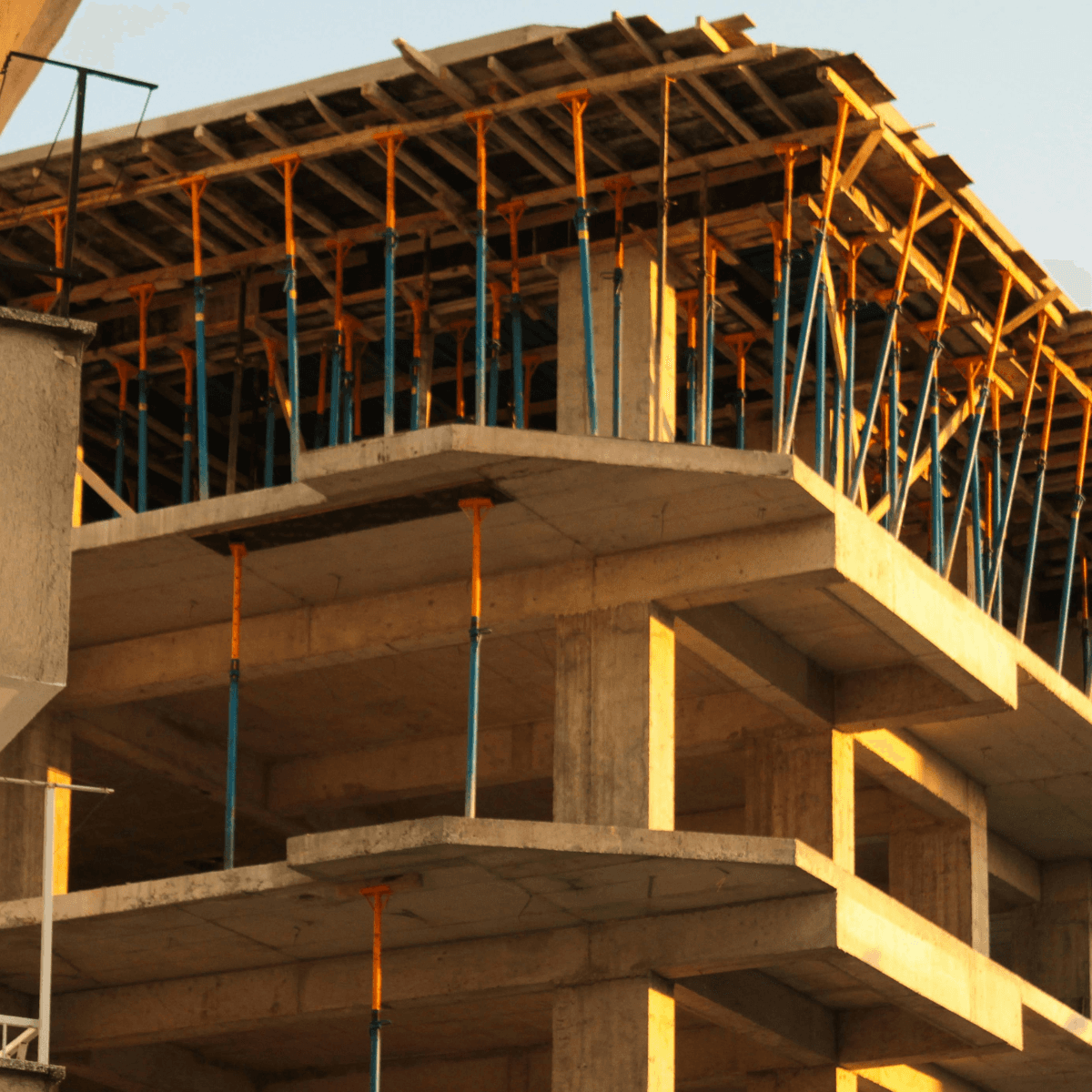
While the sustainability case is strong, building conversions are technically complex.
Construction teams and build teams often face:
Structural reinforcements
HVAC and plumbing retrofits
Energy performance upgrades
Accessibility compliance updates
Zoning and code reclassification
Façade modifications
Fire and life safety adjustments
Interior designers must rethink layouts for light access, egress, and residential functionality. Real estate investors must assess feasibility, capital expenditure, and return timelines.
Conversions demand precision from day one.
Why Specification Is Critical in Adaptive Reuse
Great conversions don’t happen by accident. They’re specified that way.
Material selection, system upgrades, and compliance decisions directly affect:
Project cost
Construction timelines
Sustainability performance
Regulatory approval
Long-term asset value
DesignSpec helps construction teams, build teams, architects, and interior designers make sustainable, compliant, cost-effective reuse decisions from the start.
With the right specification tools, teams can:
Compare lower-carbon material options
Evaluate retrofit-compatible products
Ensure updated occupancy compliance
Reduce change orders
Align sustainability targets with feasibility
Sustainability starts in the spec.
When performance, compliance, and embodied carbon considerations are integrated early, adaptive reuse projects become not just possible, but optimized.
Is The Future of Design + Build Reuse?
As sustainability standards tighten and cities evolve, adaptive reuse is becoming a strategic priority for:
Real estate investors seeking resilient assets
Construction teams adapting to market demand
Build teams navigating office-to-residential shifts
Interior designers reimagining legacy spaces
It is likely that the most sustainable cities will not be built entirely from scratch. Building conversions represent the intersection of sustainable construction, financial opportunity, and urban transformation.
And the data shows: this is only the beginning.